EU Pay Transparency Directive — Guides & Insights
Practical resources to help organisations prepare for the EU Pay Transparency Directive (Directive (EU) 2023/970) — from reporting requirements to implementation readiness.
Designed for HR leaders, compliance teams, and organisations preparing for 2026 pay transparency requirements across the European Union.

Understand the Directive and employer exposure
Start with the legal framework, employer responsibilities, employee rights, and the consequences of getting pay transparency wrong.
Turn preparation into action
Use the practical checklist to translate the Directive’s requirements into an employer action plan.
EU Pay Transparency Compliance Checklist (2026 Readiness Guide)
A practical checklist covering salary transparency, employee rights, gender pay gap reporting, and documentation requirements to help organisations prepare for compliance.
View checklistMeasure pay and build defensible structures
Build the measurement, job-evaluation, pay-structure, and pay-equity foundations needed to explain pay decisions.

EU Pay Transparency Directive (2023/970): Complete Guide for Employers
A structured overview of the EU Pay Transparency Directive, including key requirements, implementation context, and what organisations need to prepare for now.
Read guide
Pay Transparency in Recruitment: What Employers Need to Change
A practical employer guide to Article 5 pay information, pay-history questions, gender-neutral adverts and non-discriminatory recruitment under the EU Pay Transparency Directive.
Read guideGender Pay Gap Reporting: Methods, Metrics & Best Practices
Understand how gender pay gap reporting works, including key metrics, calculation approaches, and best practices for accurate and consistent reporting.
Read moreEU Pay Transparency Directive: The “Gold-Plating” Effect
Read more
Pay Transparency vs Pay Equity: The Gap Most Organisations Miss
Read moreconditions
Work of Equal Value: What Article 4 Means for Employers
Understand how Article 4 uses objective, gender-neutral criteria — including skills, effort, responsibility and working conditions — to assess same work or work of equal value.
Read the Article 4 guide
The Burden of Proof Shift Under EU Pay Transparency: Legal Risk, Exposure & Mitigation
Read morePrepare data, reporting and governance
The Featured Operational Readiness Guide and Playbook Series cover the wider preparation journey. This resource adds a focused view on responsible AI use in pay-gap analysis.

AI in Gender Pay Gap Analysis: Opportunity, Risk, and the Governance Imperative
Read more
Enforcement Mechanisms & Penalties Under EU Pay Transparency Directive 2023/970
Read guide
Employee Rights & Remedies Under EU Pay Transparency Directive 2023/970
Read guide
Gender-Neutral Job Evaluation: A Practical Guide for EU Pay Transparency Compliance
Read guide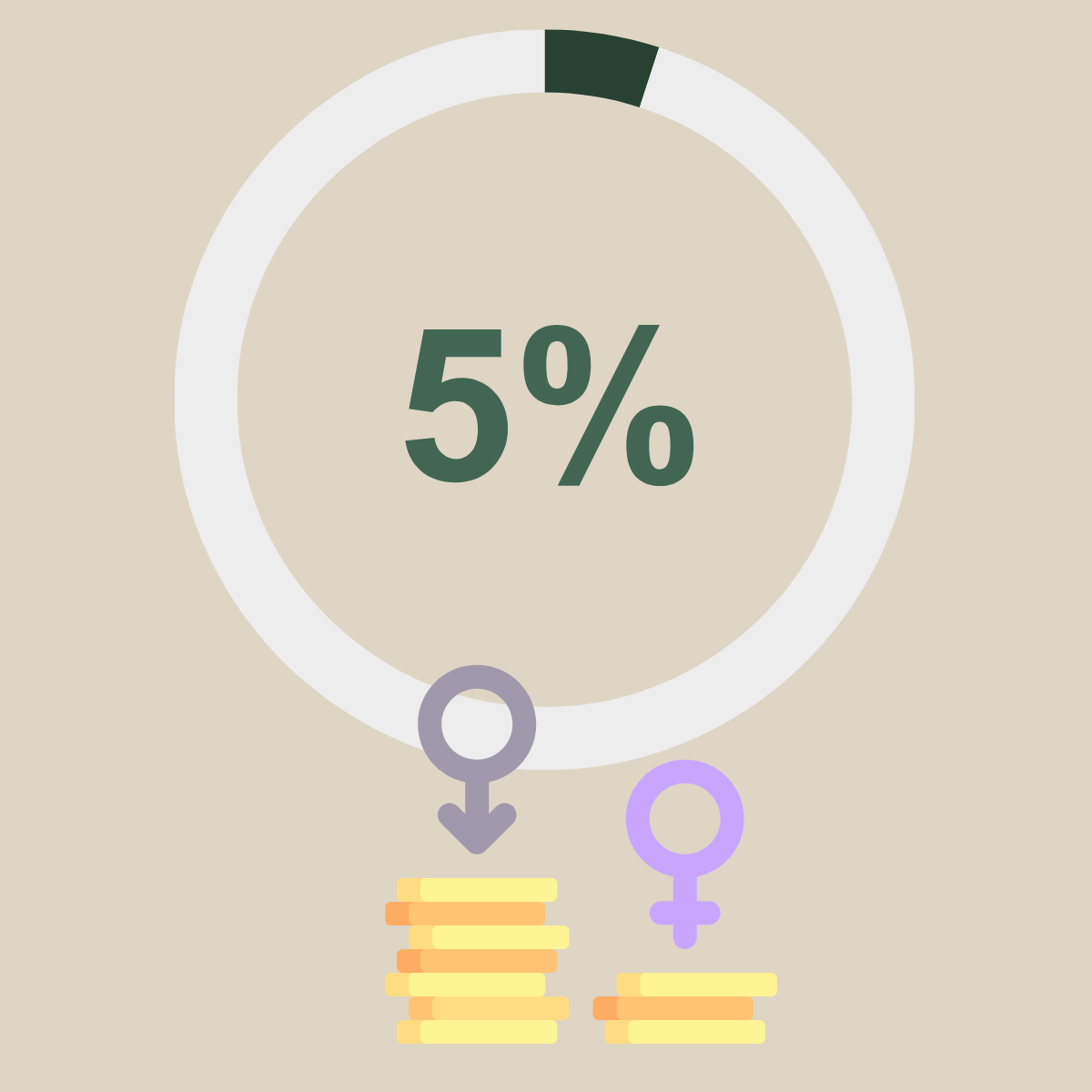
The 5% Pay Gap Trigger: When a Joint Pay Assessment May Be Required
Read guideBuilding Pay Bands & Salary Structures for EU Pay Transparency Compliance
Read guideEU Pay Transparency by Member State
Country-specific analysis of how the Directive interacts with existing national frameworks. The tracker identifies the jurisdictions it currently covers.
EU Pay Transparency in Ireland: What Employers Should Expect
Read guideFinland & the EU Pay Transparency Directive: Building on a Strong Foundation
Read guideNetherlands & the EU Pay Transparency Directive: From Equal Pay Law to Structured Reporting
Read guideMalta & the EU Pay Transparency Directive: Building Compliance in a Small Economy
Read guideSweden & the EU Pay Transparency Directive: Extending Europe's Most Advanced Pay Equity System
Read guidePoland & the EU Pay Transparency Directive: Addressing Structural Gaps in a Complex Labour Market
Read guideLithuania & the EU Pay Transparency Directive: A Significant Uplift for a Developing Framework
Read guideFrance & the EU Pay Transparency Directive: Beyond the Index d'Égalité
Read guideGermany & the EU Pay Transparency Directive: Building on the Entgelttransparenzgesetz
Read guideSpain & the EU Pay Transparency Directive: From Pay Registers to Structured Pay Governance
Read guideItaly & the EU Pay Transparency Directive: From Biennial Reporting to Continuous Pay Governance
Read guideBelgium & the EU Pay Transparency Directive: From Pay Gap Analysis to Structured Pay Governance
Read guidePreparing for Pay Transparency?
Understanding the Directive is the first step.
Ensuring your organisation can clearly report and explain pay decisions is the next.